



Your Trusted Plumbing Experts
Tankless Water Heaters
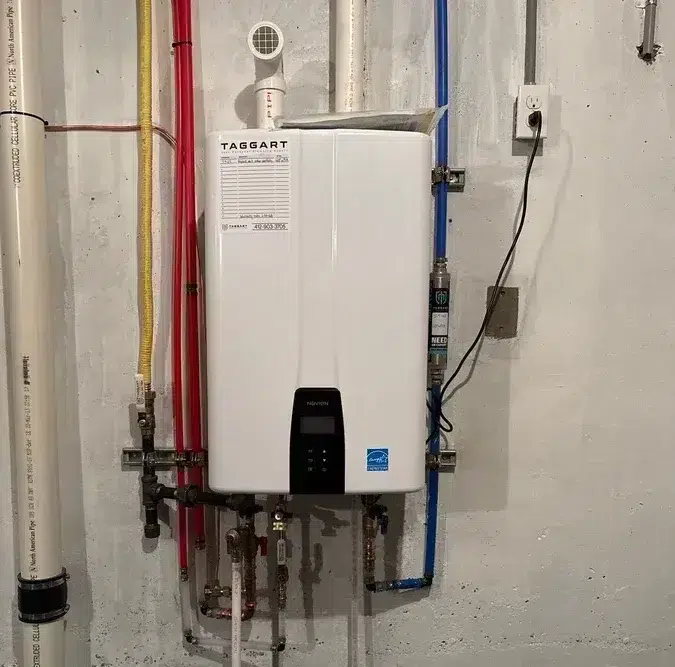
Tankless Water Heaters in Pittsburgh, PA
Taggart Plumbing provides tankless water heater installation, repair and maintenance in Pittsburgh, PA, whether you're replacing an aging tank, swapping out a worn-out tankless unit or keeping the Navien on your wall running at full strength.
Since 2016, our Navien Service Specialist certified plumbers have handled tankless water heater service across the North Hills and greater Pittsburgh as part of our full range of Pittsburgh water heater services.
Every visit starts with the quilt on your floor and ends with a clean exit, with honest options and upfront pricing in between. Call now!

4.8 Stars | 1,428+ Google Reviews

Great guys very professional kept my house clean and they do great work to boot. I would very highly recommend giving them a call.

Called for several issues. New shower faucet, laundry tub install, toilet install, our water heater needed an expansion tank, and our water pressure was too high. Daniel took care of everything and we are very pleased. We will definitely be using them for our future projects.

Dan installed our powervent water heater with a nee expansion tank. The tech was very respectful of our home using drop cloths and leaving no mess at all. Couldn't be more pleased with the fast response and amazing install. Highly recommend them for any plumbing needs!
Read more
Good service, thought the price was high.

Chuck Center Township Very quick and helpful Friendly to talk to

My water heater stopped working. Chuck and Robert were able to come out the same day I called. They were so friendly, answered all my questions, and reviewed different options with me. They are able to fix the issue quickly and I highly recommend them.
Read moreOur Pittsburgh Water Heater Services

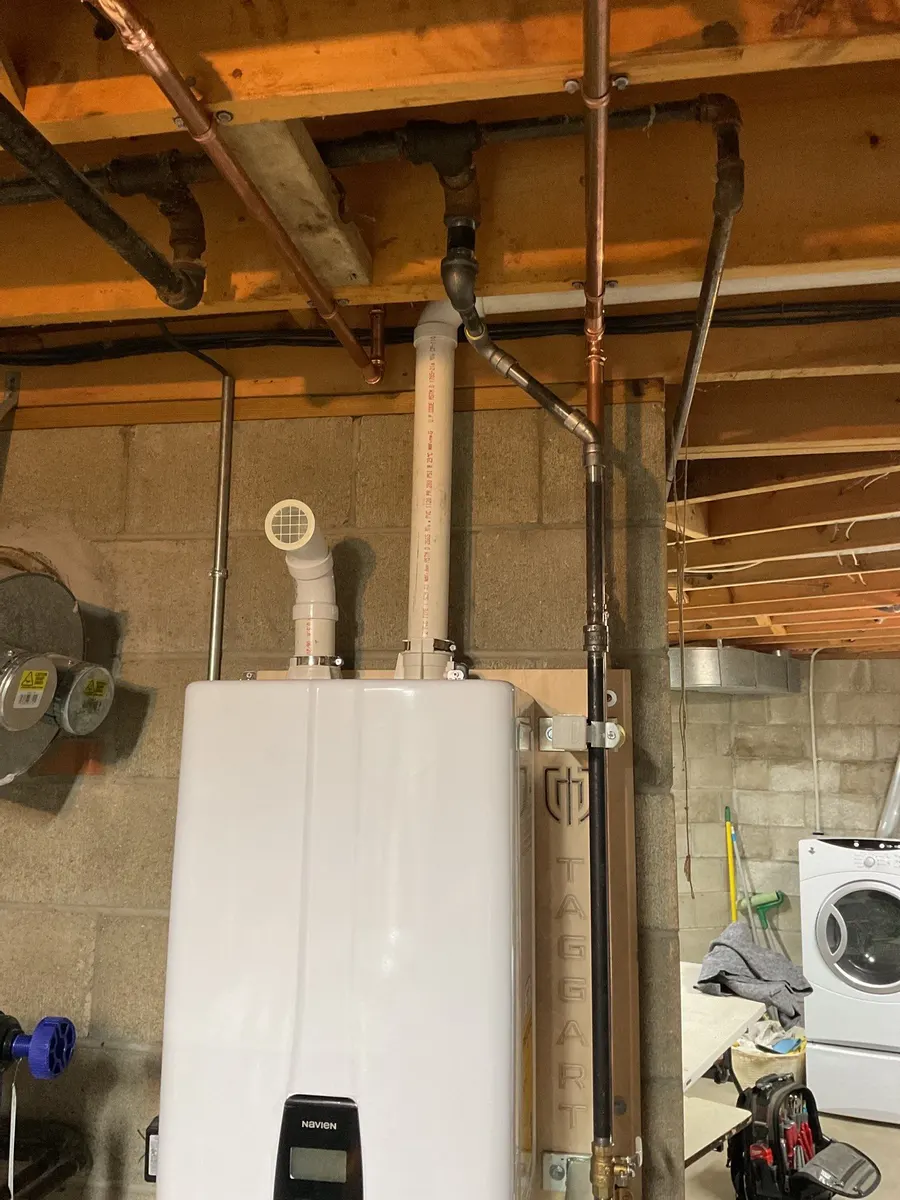
Tankless Water Heater Installation & Replacement in Pittsburgh
Whether you're switching from a tank for the first time or replacing a tankless unit that has reached the end of its life, the result depends on getting the sizing, gas supply and venting right. Taggart Plumbing handles the full tankless water heater installation in Pittsburgh, from the first measurements to the final inspection.
Signs It's Time to Go Tankless
Homeowners usually call us about a tankless installation or replacement for one of these reasons:
- Your tank water heater is 10 or more years old, or it's already leaking
- Your household runs out of hot water during back-to-back showers
- You're adding a bathroom or your family is growing
- You want back the basement floor space a tank takes up
- Your existing tankless unit is 15 to 20 years old or has a failing heat exchanger
- Your chimney can no longer vent a gas water heater safely
If any of these sound familiar, we'll look at your home, your hot water use and your gas and electrical supply, and tell you honestly whether tankless is the right fit.
Choosing the Right Tankless Water Heater for Your Pittsburgh Home
Not every tankless water heater fits every home. These are the choices we walk through with Pittsburgh homeowners before recommending a system:
- Gas or electric: Gas tankless units deliver the highest flow rates and work best for whole-home use in most Pittsburgh houses. Electric tankless units need no venting but often require a dedicated high-amperage circuit and sometimes a panel upgrade.
- Condensing or non-condensing: Condensing models capture extra heat from the exhaust, run more efficiently and vent with PVC, but they need a condensate drain.
- Whole-home or point-of-use: A single whole-home unit serves the entire house, while a small point-of-use heater can fix one distant bathroom or a basement bar sink.
- Recirculation: A recirculation system or built-in recirculation pump delivers hot water to faraway fixtures faster and cuts down on wasted water.
- When a tank still makes sense: Homes with limited gas supply or very high simultaneous demand may be better served by an indirect or high-recovery tank water heater.
We'll make a recommendation based on your actual fixtures, gas and electrical capacity, and budget. If tankless isn't the right choice for your home, we'll tell you.
Benefits of Upgrading to a Tankless Water Heater in Pittsburgh
A tankless system costs more upfront than a tank, but Pittsburgh homeowners get a lot back for it:
- Endless hot water: Back-to-back showers, laundry and the dishwasher all draw from the same steady supply.
- Lower energy use: The U.S. Department of Energy estimates tankless units are 24% to 34% more efficient than tank models in homes that use 41 gallons of hot water or less per day.
- About twice the lifespan: Tankless water heaters last about 20 years with annual maintenance, compared with 8 to 12 for most tanks.
- More basement space: A wall-mounted unit frees up the floor space a tank used to take.
- Less risk of water damage: There's no 50-gallon tank waiting to rust through and flood a finished basement.
Not sure whether tankless is worth it for your home? Read Traditional vs. Tankless Water Heaters, or ask us for an honest comparison during your estimate.
What's Included in a Tankless Water Heater Installation in Pittsburgh
A Pittsburgh tankless water heater installation involves more than hanging a unit on the wall. Every Taggart installation includes:
- Flow-rate sizing based on the fixtures in your home and Pittsburgh's winter water temperatures
- A gas line check, with upsizing when the existing line can't supply the unit
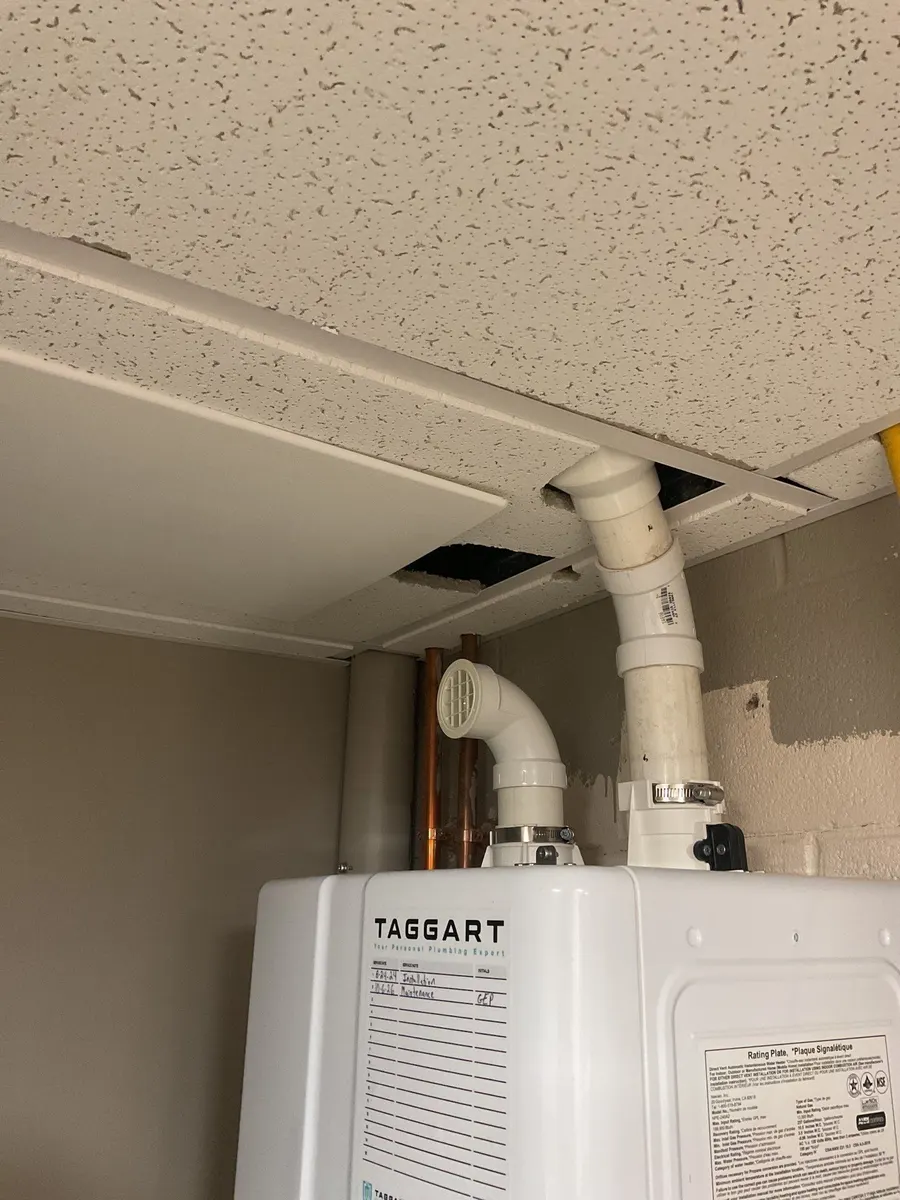
- New venting, typically PVC through a side wall for condensing models
- A condensate drain line and neutralizer for condensing units
- Isolation valves so the unit can be descaled every year without cutting into the piping
- Removal and haul-away of your old water heater
- The Allegheny County plumbing permit and required inspection
- Startup, testing and a walkthrough of how to use your new system
Most tankless installations are completed in a single day. We stock Navien tankless systems and are happy to install other brands, including units you've already purchased. If you're ready to replace a tank water heater with another tank, our installation team handles that as well.
Tankless Water Heater Repair in Pittsburgh
Tankless water heaters are reliable, but they're also high-tech appliances with sensors, circuit boards and precise gas controls. When something goes wrong, you need a plumber who knows these systems. Taggart Plumbing provides tankless water heater repair in Pittsburgh for Navien and most other major brands.
Signs Your Tankless Water Heater Needs Repair
Call us if your tankless unit shows any of these problems:
- No hot water, or the unit won't ignite
- Water temperatures that swing between hot and cold, or a burst of cold water in the middle of hot
- An error code on the display panel
- Reduced hot water flow at the taps
- Water leaking from the unit, the relief valve or the condensate line
- Rumbling, clicking or whistling sounds during operation
Ignoring these signs often turns a simple sensor or valve repair into a heat exchanger replacement, so it pays to call at the first sign of trouble.
Our repair process starts with a full diagnostic, not a guess. On a typical Pittsburgh tankless water heater repair call, we:
- Review the unit's error code history to see what it has been reporting
- Check gas pressure, the igniter and the flame sensor
- Clean the cold water inlet filter and test the flow sensor
- Inspect the vent and air intake for blockages
- Check the heat exchanger for scale buildup or leaks
- Clear the condensate trap and drain on condensing models
Once we find the cause, we explain the repair and give you the price before any work starts. Our trucks carry common tankless parts, so most repairs are finished in one visit.
A small problem left alone can damage expensive internal parts. Before you call, a few quick checks can sometimes get your hot water back:
- Make sure the unit has power and its breaker or plug hasn't tripped
- Confirm the gas valve to the unit is fully open
- Check that snow, leaves or debris aren't blocking the outside vent or air intake
- Write down any error code on the display
- Turn the unit off and back on to reset it
If the problem comes back or you see water leaking, shut the unit down and call us. Leaks are among the most common tankless calls we get in Ross Township and across the North Hills, and they usually point to scale damage, a loose fitting or a clogged condensate line.
Tankless Water Heater Maintenance in Pittsburgh
Annual maintenance is the single best way to protect a tankless water heater. Pittsburgh's moderately hard water leaves scale inside the heat exchanger, and over time that scale restricts flow, reduces efficiency and can cause the unit to overheat or fail. Taggart Plumbing provides tankless water heater maintenance in Pittsburgh for every major brand.
Even if your unit seems to be working fine, watch for these signals that it's due for service:
- More than 12 months since the last descaling
- Hot water temperatures that fluctuate more than they used to
- Lower flow at the hot taps
- Banging, clicking or other new noises
- Scale or maintenance error codes on the display
Most manufacturers recommend professional maintenance at least once a year, and homes with harder water may need it more often.
Our tankless maintenance visit covers every component that affects performance and safety:
- Descaling the system with a professional descaling solution
- Checking the expansion tank, if your system has one
- Inspecting the vent termination for blockages
- Testing the isolation valves
- Cleaning the condensate trap on condensing models
- Checking and cleaning the air intake screen
- Checking and cleaning the cold water inlet screen
- Cleaning the unit inside and out
- Reviewing the error code history for hidden problems
Prefer not to keep track of it? Our Tankless Water Heater Maintenance Plan covers one full visit each year for a low monthly fee.
Annual service costs far less than the repairs it prevents. Regular tankless water heater maintenance in Pittsburgh gives you:
- A longer system life: Keeping scale out of the heat exchanger is what lets a tankless unit reach the 20-year mark.
- Lower energy bills: A clean heat exchanger transfers heat efficiently, so the burner works less.
- Steady hot water: Clean screens and sensors keep flow and temperature consistent.
- Safer operation: We confirm venting, gas connections and safety components are working correctly.
- Warranty protection: Many manufacturer warranties exclude damage caused by scale buildup.
If it's been more than a year since your Pittsburgh tankless water heater was descaled, schedule maintenance before the next cold snap puts it under heavy demand.
The Defender Package Plan Has Your Back
Our Defender Package Plan is the easiest way to keep your plumbing in check year-round. Stay ahead of breakdowns, save on services, and enjoy a little peace of mind.
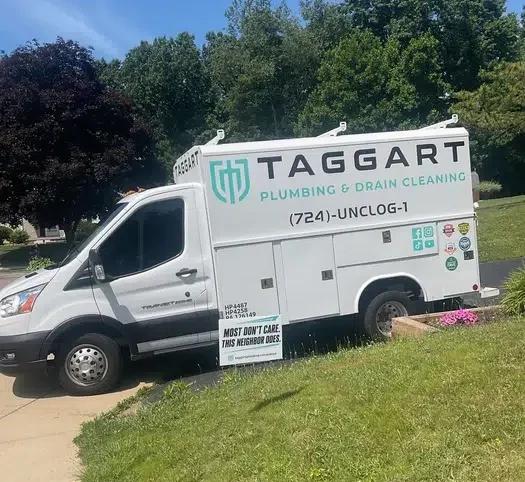
What to Expect When We Service Your Tankless Water Heater
Whether it's a new installation, a repair or annual maintenance, every tankless visit in Pittsburgh follows our Clean By Design Protocol™:
- Schedule your visit: Book online or call. Our phones are answered around the clock.
- Protect your home: We roll out the quilt, lay runners from the door to the unit and put on fresh booties.
- Diagnose and measure: We review error history, check gas and venting, and measure flow and fixture demand for new installs.
- Review options and pricing: You get a clear explanation and an upfront price before we begin, with no high-pressure sales.
- Complete the work cleanly: We use vacuum-assisted drilling for new vent openings and keep tools on protected surfaces.
- Test and walk you through it: We fire the unit, check temperatures and connections, clean up completely and show you what we did.
When we pack up, the only sign we were there is reliable hot water.
Tankless Water Heater Costs & Financing in Pittsburgh
Tankless pricing depends on which service you need and how your home is set up. For a new installation or replacement, these factors have the biggest effect on cost:
- Unit size and type: Flow capacity, gas or electric, and condensing or non-condensing
- Gas line work: Whether the existing line needs to be upsized to supply the unit
- Venting: New side-wall PVC venting and the length of the vent run
- Electrical work: A dedicated circuit or panel upgrade for electric models
- Condensate and water treatment: A condensate drain and neutralizer, plus optional scale prevention
- Add-ons: Recirculation and Wi-Fi monitoring and control
Most tankless repairs cost between $200 and $600, depending on the part and the complexity of the problem. Annual maintenance is available on its own or through our Tankless Water Heater Maintenance Plan. You'll always get the exact price before work begins. For new systems, we offer financing through GoodLeap, which uses a soft credit check to see if you qualify, and you can check our current offers for savings on tankless installations and replacements.
Why Choose Taggart Plumbing for Tankless Water Heaters in Pittsburgh
Few Pittsburgh plumbers focus on tankless systems the way Taggart Plumbing does. Our team is certified through the Navien Service Specialist program and licensed by the Allegheny County Health Department, and we've been installing and servicing tankless water heaters from our Ross Township office on Duncan Avenue since 2016.
Taggart Plumbing is also a registered Pennsylvania Home Improvement Contractor (#PA126149) and was named a Nextdoor Neighborhood Fave in 2025.
Every installation, repair and descaling visit follows the Clean By Design Protocol™, so your home stays as clean as we found it while we work.
Tankless Water Heater Service Across Pittsburgh's North Hills
Our plumbers work out of 1409 Duncan Ave, Suite 205, in Pittsburgh's North Hills, and install and service tankless water heaters throughout these communities:
- Ross Township: Our home base, where many homeowners are replacing aging basement tanks with wall-mounted tankless units
- McCandless: Family homes with several bathrooms that benefit from whole-home tankless systems
- Hampton Township: Larger homes where recirculation brings hot water to far-off bathrooms faster
- Gibsonia: Newer homes in Richland and Pine with the space and gas supply for high-capacity units
- Fox Chapel: Larger, older homes where tankless systems free up space and solve chimney venting problems
- Franklin Park: Newer construction where tankless is a popular upgrade over builder-grade tanks
- Shaler Township: Post-war homes where side-wall venting replaces an aging chimney flue
Wherever you are in the North Hills, book online or give us a call to schedule tankless water heater service.
Outside the city? See our tankless water heater services in Allison Park and Cranberry Township.
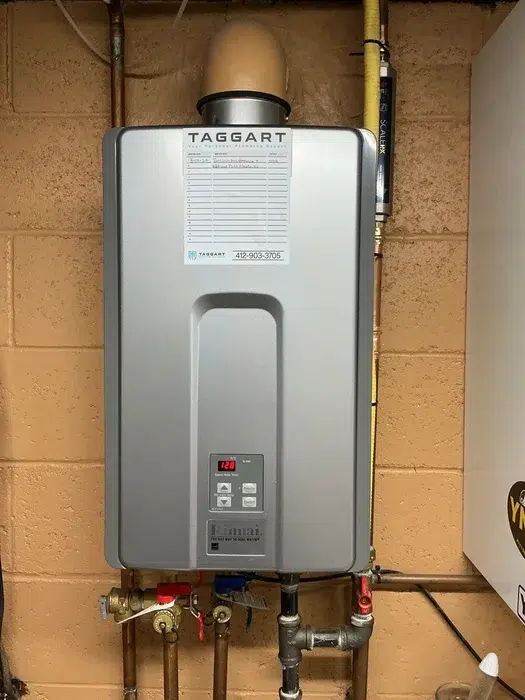

Get Endless Hot Water Without the Hassle
Whether you're ready to go tankless, your current unit is flashing an error code, or it's simply time for its annual descaling, Taggart Plumbing will handle it with care and give you a straight answer on cost. Book online or call to schedule tankless water heater service in Pittsburgh and get back to the life you love.
Pittsburgh Tankless Water Heater FAQ's
The cost depends on the unit's size and type, whether your gas line needs to be upsized, and how much venting and electrical work your home needs. We give you an exact, upfront price after looking at your home, and we offer financing through GoodLeap and regular tankless offers to make the upgrade more affordable.
Most installations are finished in one day. Jobs that need a new gas line or a long vent run can take a little longer, and we'll tell you the timeline before we start.
Yes. Because they heat water only when you need it, tankless units avoid the standby heat loss of a tank. The U.S. Department of Energy estimates they're 24% to 34% more efficient than tank models in homes that use 41 gallons of hot water or less per day.
Yes, if it's sized correctly. Incoming water is much colder in winter, so the unit has to raise the temperature further. We size every system for your peak winter demand, and larger homes sometimes use two units together.
For whole-home use in most Pittsburgh houses, gas tankless units deliver more hot water at once. Electric models need no venting and work well for smaller homes or a single bathroom, but they often need a dedicated high-amperage circuit or a panel upgrade.
We stock Navien tankless systems because of their reliability and performance, but we're happy to install any brand, including units you've already bought. Whatever the model, we make sure it's sized and installed correctly.
Most tankless repairs cost between $200 and $600, depending on the part and the complexity of the problem. Major repairs on advanced systems can cost more. We always give you the price before starting work.
The most common causes are scale damage inside the heat exchanger, a loose fitting, a relief valve releasing excess pressure, or a clogged condensate line on a condensing model. Shut off the unit and the water supply to it, then call us so we can find the source before it causes water damage.
Error codes point to specific problems such as ignition failure, a venting blockage, low gas pressure, scale buildup or a sensor fault. Write down the code and call us. We'll review the unit's code history as part of the diagnosis.
With annual descaling, most tankless water heaters last about 20 years, roughly twice as long as a typical tank. Skipped maintenance and hard water can shorten that considerably.
Most manufacturers recommend professional maintenance and descaling at least once a year. Homes with harder water may need it more often, and we'll recommend a schedule based on what we see inside your unit.
Homeowners can clean the inlet screen and the outside of the unit. Descaling, inspecting gas and venting connections and checking internal components should be done by a professional to avoid damage and keep your warranty intact.
Recent Projects
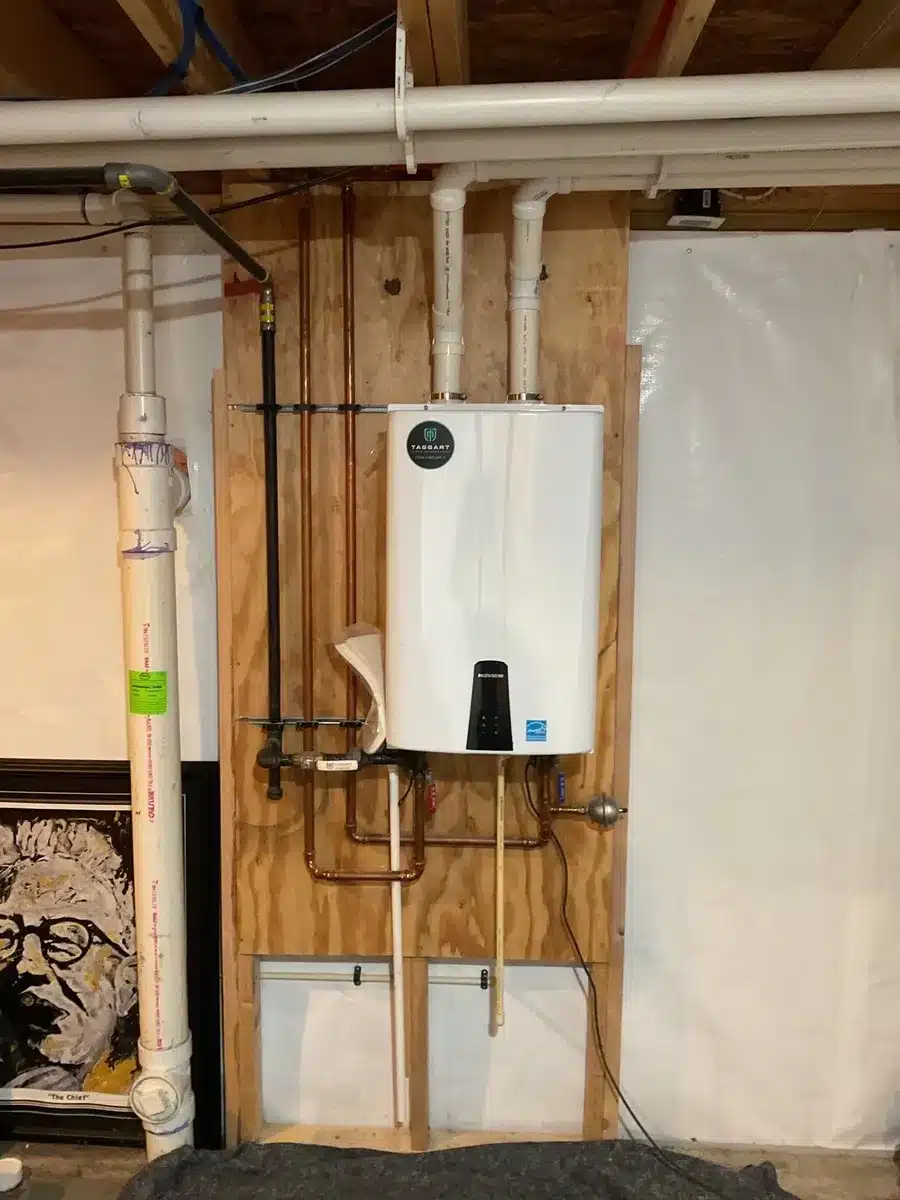
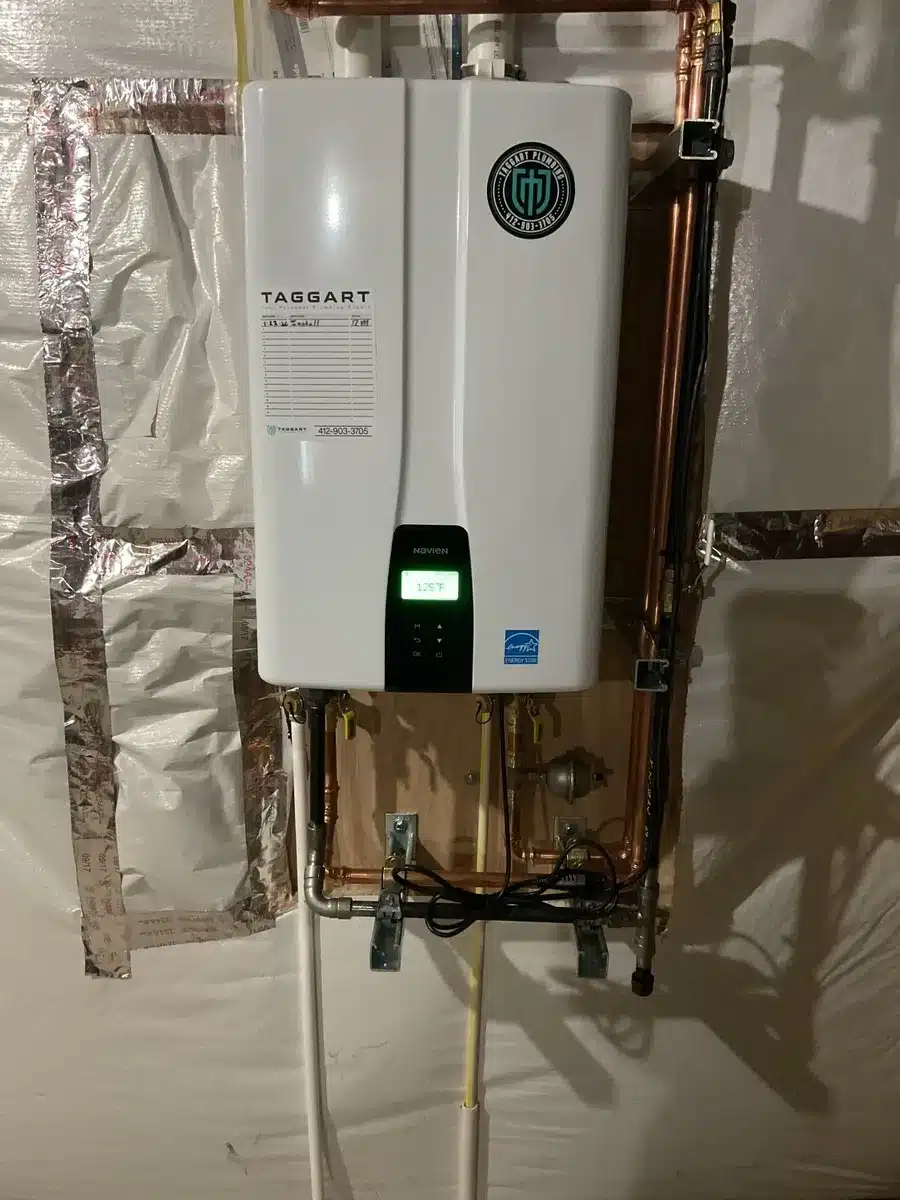
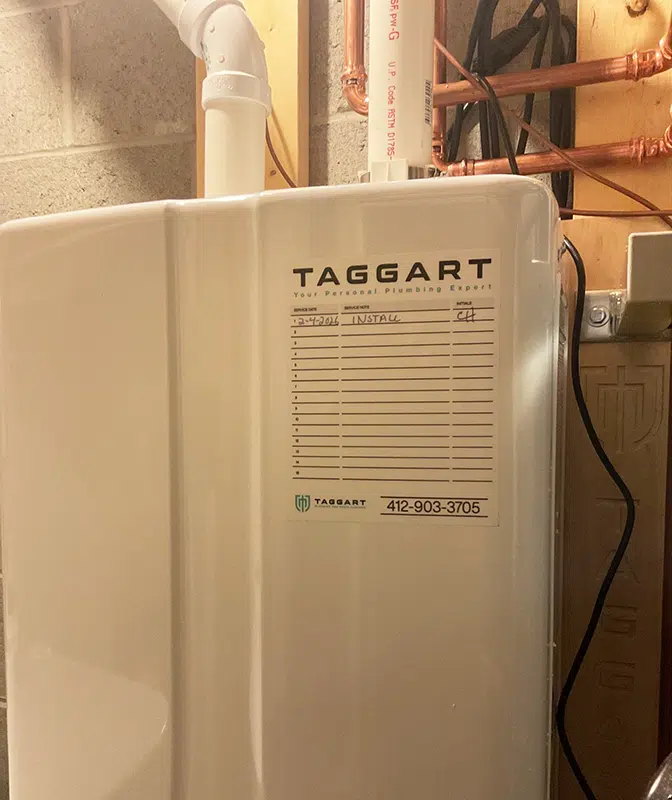
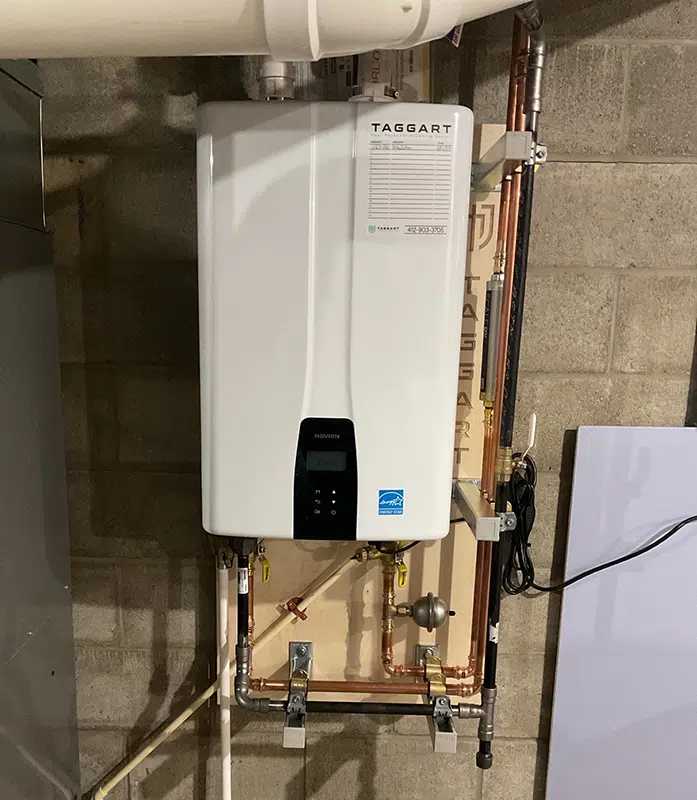
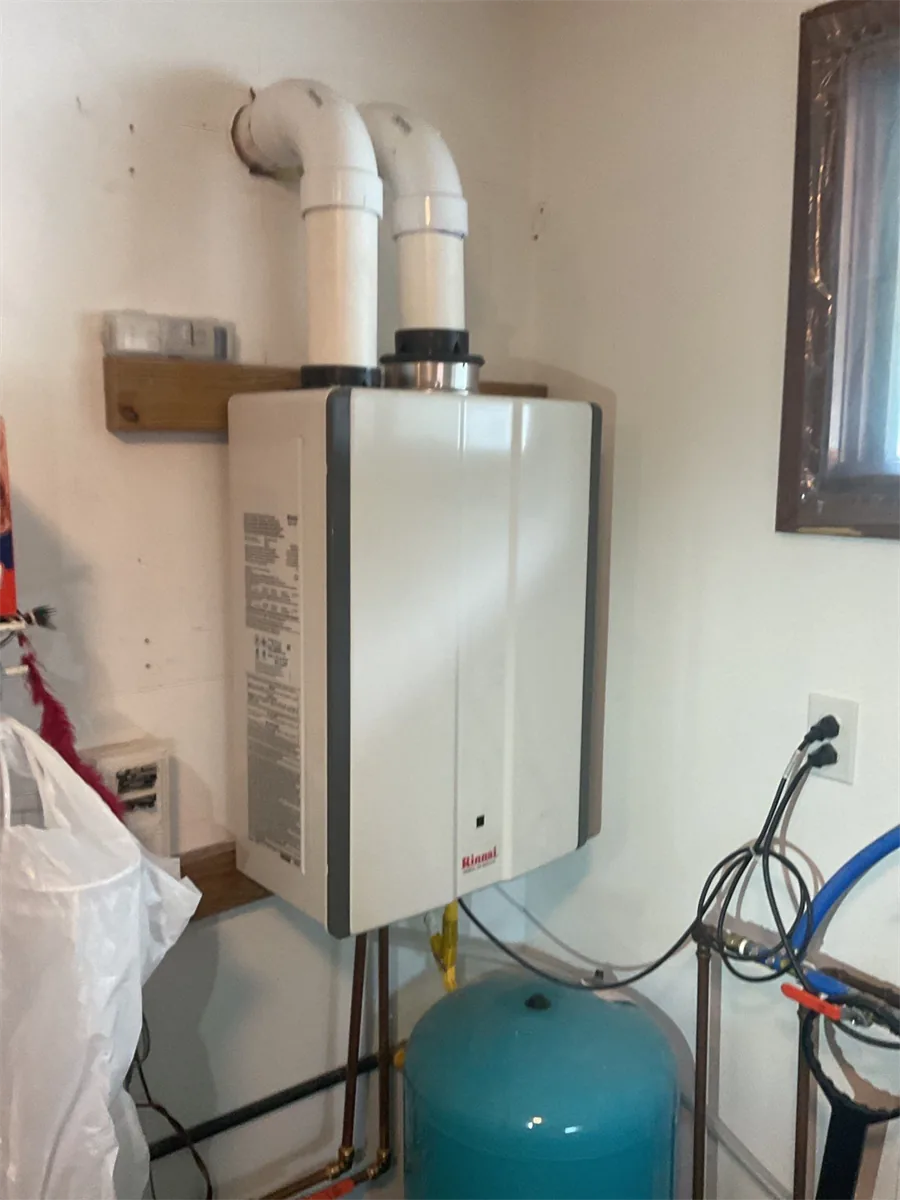
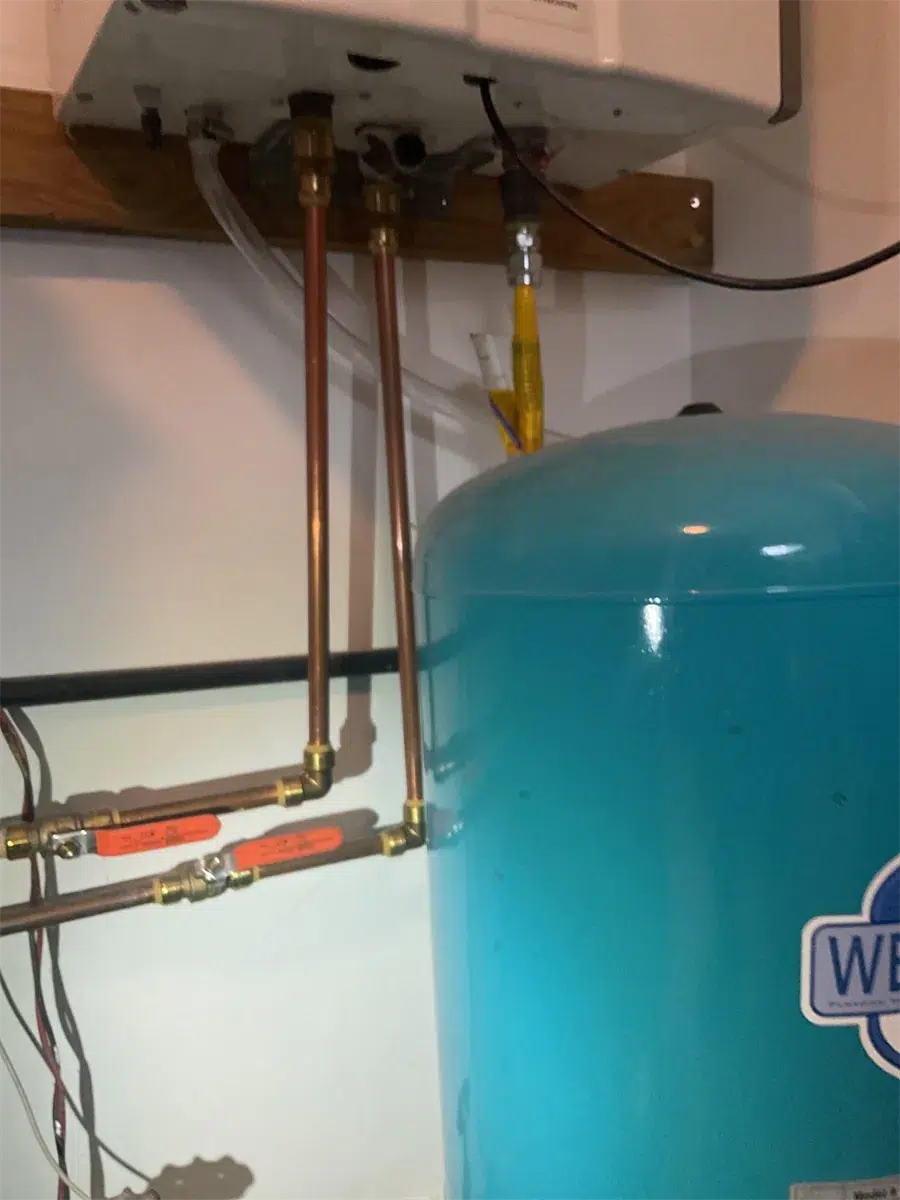
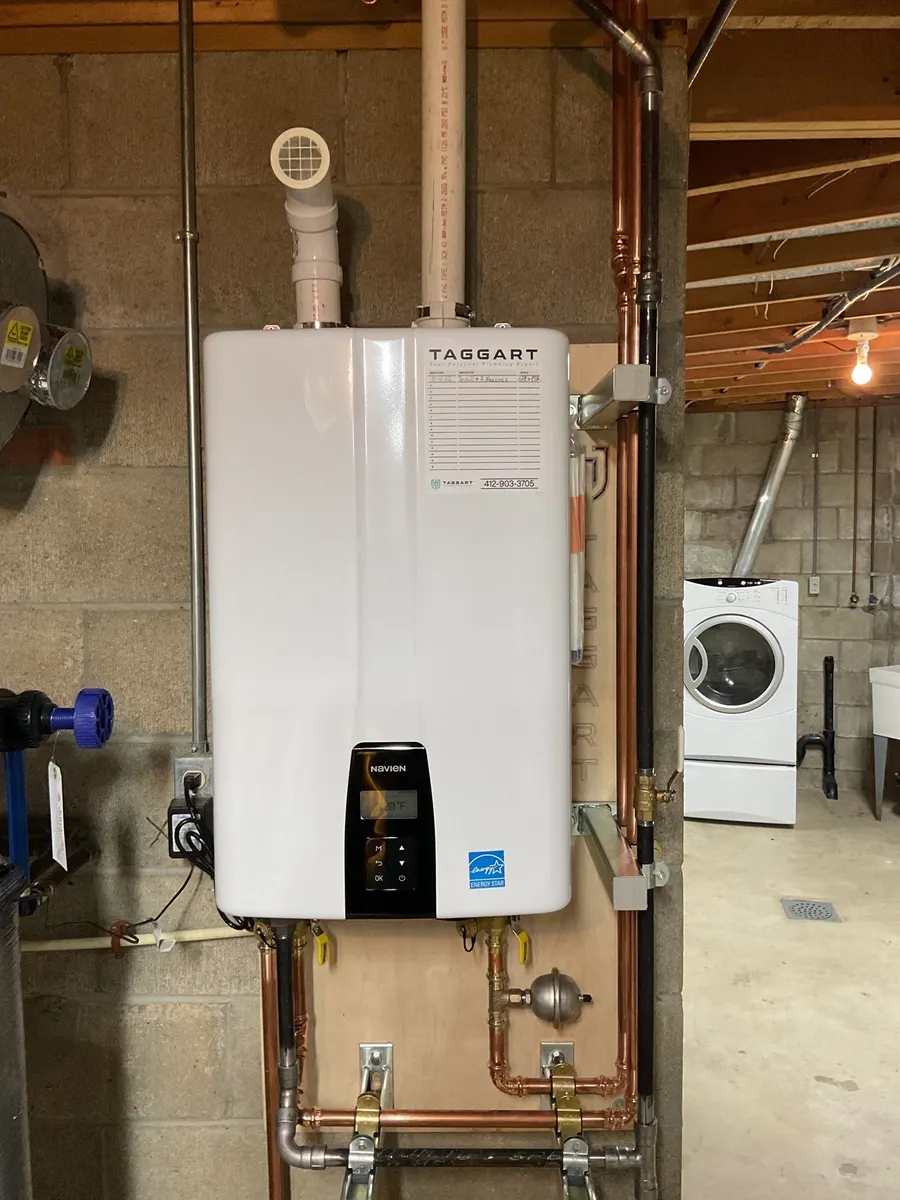
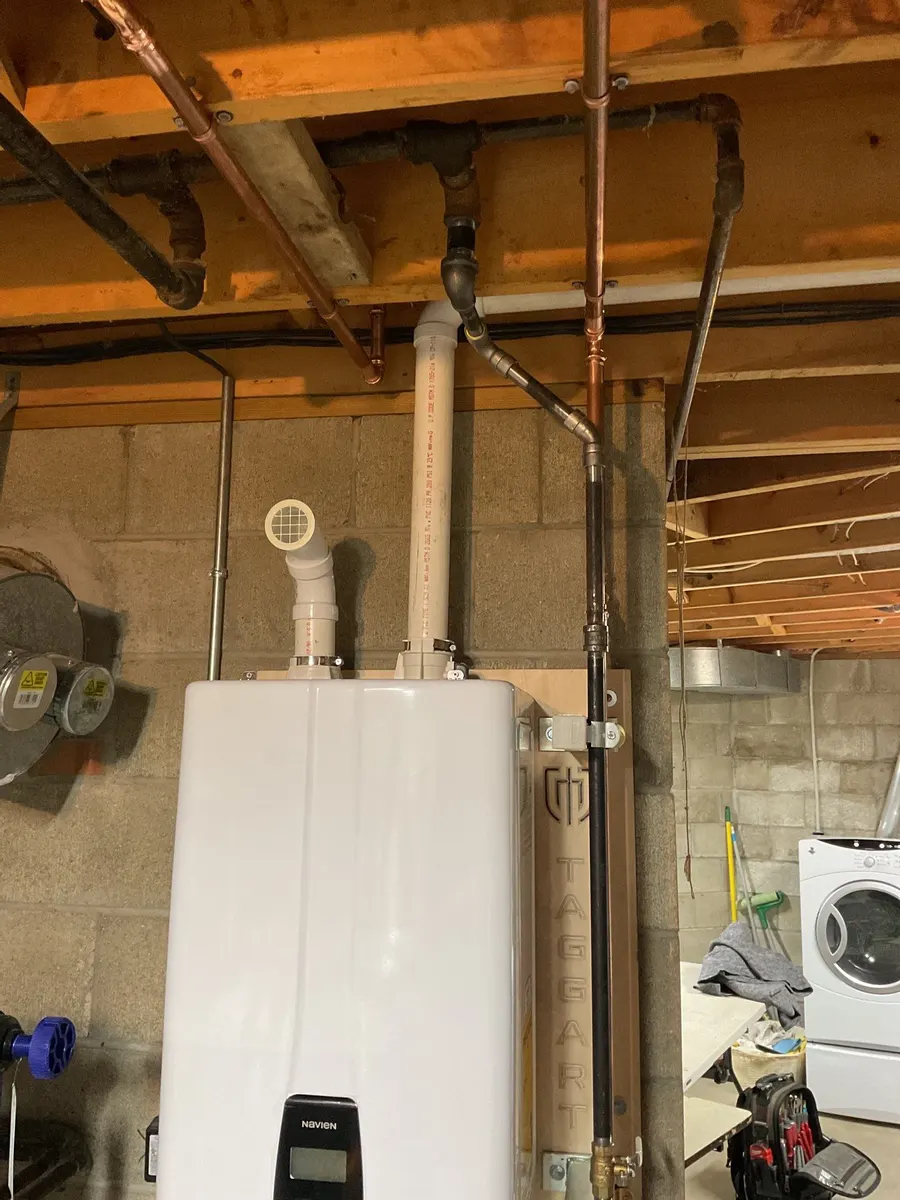
4.8 Stars | 1,428+ Google Reviews from the North Hills and Surrounding Areas
Still Not Convinced?
Let us show you how we’re the right team for the job.
Great guys very professional kept my house clean and they do great work to boot. I would very highly recommend giving them a call.
Called for several issues. New shower faucet, laundry tub install, toilet install, our water heater needed an expansion tank, and our water pressure was too high. Daniel took care of everything and we are very pleased. We will definitely be using them for our future projects.
Dan installed our powervent water heater with a nee expansion tank. The tech was very respectful of our home using drop cloths and leaving no mess at all. Couldn't be more pleased with the fast response and amazing install. Highly recommend them for any plumbing needs!
Read moreGood service, thought the price was high.
Chuck Center Township Very quick and helpful Friendly to talk to
My water heater stopped working. Chuck and Robert were able to come out the same day I called. They were so friendly, answered all my questions, and reviewed different options with me. They are able to fix the issue quickly and I highly recommend them.
Read more