



What Are Pittsburgh Toilets?
Expert Tips
The Complete Guide to Pittsburgh Toilets
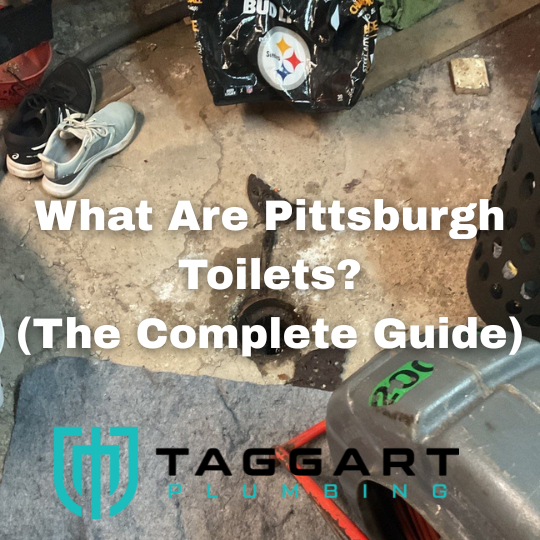
If you’ve ever toured an older home in Western Pennsylvania and spotted a lone toilet sitting out in the basement, you’ve encountered a Pittsburgh toilet, also known as a Pittsburgh potty. While they may look odd by today’s standards, these fixtures have a fascinating history and a very practical purpose.
This guide explains what Pittsburgh toilets are, why they exist, whether they’re still legal, and what homeowners should know today.
What Is a Pittsburgh Toilet?
A Pittsburgh toilet is a toilet installed in the basement of an older home, often without surrounding walls or privacy. These toilets are typically found in homes built in the late 1800s to early 1900s and are most common in Pittsburgh and surrounding areas.
Unlike modern bathrooms, Pittsburgh toilets were designed for function over comfort. They are usually located near the main sewer line and may sit next to exposed plumbing, floor drains, or utility sinks.
Why Do Pittsburgh Toilets Exist?
Pittsburgh toilets date back to the city’s industrial era and served several important purposes:
1. Industrial Work Lifestyle
Steel mill and factory workers often returned home covered in coal dust, grease, and soot. A basement toilet allowed them to use the bathroom before entering the main living space, keeping the rest of the home cleaner.
2. Sewer Backup Protection
Older sewer systems were prone to backups during heavy rain. Installing a toilet at the lowest point of the home helped ensure that any overflow occurred in the basement, not the kitchen or living room.
3. Cost-Effective Plumbing
Basements were unfinished utility spaces. Installing a toilet without walls was cheaper, faster, and easier when connecting to the home’s main drain line.
Why Are Pittsburgh Toilets Out in the Open?
At the time these homes were built:
- Basements were not living spaces
- Privacy wasn’t a concern
- Toilets were installed early in construction
- The basement functioned as a work and utility area
The result? A fully functional toilet with no enclosure, which made sense then—even if it looks strange now.
Are Pittsburgh Toilets Still Legal?
In many cases, yes.
Most Pittsburgh toilets are grandfathered in, meaning they were legal when installed and can remain if they’re still functional. However, if you plan to:
- Finish your basement
- Remodel plumbing
- Replace or relocate the toilet
You may be required to bring the setup up to current plumbing code, including proper venting, clearances, and in some cases, enclosing the toilet.
Can You Still Use a Pittsburgh Toilet Today?
Absolutely, many homeowners still do. Common modern uses include:
- Utility bathroom
- Workshop restroom
- Laundry room access
- Emergency backup toilet
Some homeowners choose to leave them as-is, while others upgrade them into fully enclosed basement bathrooms.
Can a Pittsburgh Toilet Be Converted Into a Full Bathroom?
Yes. A Pittsburgh toilet often makes basement bathroom additions easier because the sewer connection already exists.
Typical upgrades include:
- Framing and drywall
- Adding a door for privacy
- Installing a sink and shower
- Improving ventilation
- Adding a backwater valve to prevent flooding
A licensed plumber, like Taggart Plumbing, can determine whether your existing plumbing can support a full bathroom conversion.
Do Pittsburgh Toilets Increase Home Value?
It depends on condition and presentation.
- Unfinished, exposed toilets are usually seen as quirky but neutral
- Enclosed or remodeled basement bathrooms often add value
- Buyers appreciate existing sewer access for future upgrades
When done properly, a Pittsburgh toilet can be an asset, not a drawback.
Are Pittsburgh Toilets Sanitary?
Yes, when properly maintained.
As long as the toilet:
- Has a functioning trap
- Is properly vented
- Is connected to the sewer correctly
It’s just as sanitary as any other toilet. Odors or issues usually indicate plumbing problems, not the concept itself.
Frequently Asked Questions About Pittsburgh Toilets
Why are Pittsburgh toilets so common in Western Pennsylvania?
Because of the region’s industrial history, older infrastructure, and flood-prone sewer systems.
Are Pittsburgh toilets only found in Pittsburgh?
They’re most common there, but similar setups exist in other industrial cities like Cleveland, Detroit, and parts of Chicago.
Can I remove my Pittsburgh toilet?
Yes, but removal should be done by a plumber to ensure the drain is properly capped and sealed.
Do Pittsburgh toilets need to be vented?
Modern codes require venting. Many older installations rely on legacy venting systems and may need updates during renovations.
Why is it sometimes called a “Pittsburgh potty”?
It’s a local nickname that stuck—used affectionately to describe this uniquely regional feature.
Professional Pittsburgh Toilet Installation & Repair
Whether you have a classic Pittsburgh toilet or a modern bathroom, Taggart Plumbing is your trusted local expert. We install, repair, replace, and upgrade toilets of all kinds throughout the Pittsburgh area.
From fixing leaks and clogs to converting a Pittsburgh toilet into a fully finished basement bathroom, our licensed plumbers ensure everything is safe, code-compliant, and built to last.
If you have questions about a Pittsburgh toilet—or want to upgrade one—contact Taggart Plumbing today for expert service you can trust.